![20260325 110836[1]](https://homemoneyskills.com/wp-content/uploads/2026/03/cropped-cropped-cropped-20260325_1108361.webp)

gpt-6 ASTRA क्या है, इसका क्या काम है? और कहाँ-कहाँ इस्तेमाल होने वाला है? आप कैसे इस्तेमाल करेंगे?
September 10, 2026 • homemoneyskills
GPT-6 Astra क्या है? क्या इसे Free में Download या इस्तेमाल कर सकते हैं? पूरी जानकारी OpenAI के…
Read more भारत में आंवला सदियों से आयुर्वेद का हिस्सा रहा है, लेकिन 2026 में यह सिर्फ एक फल नहीं बल्कि करोड़ों रुपये का herbal business opportunity बन चुका है। Immunity products, hair care, herbal supplements और organic food market के बढ़ने से Amla Powder की demand लगातार बढ़ रही है।
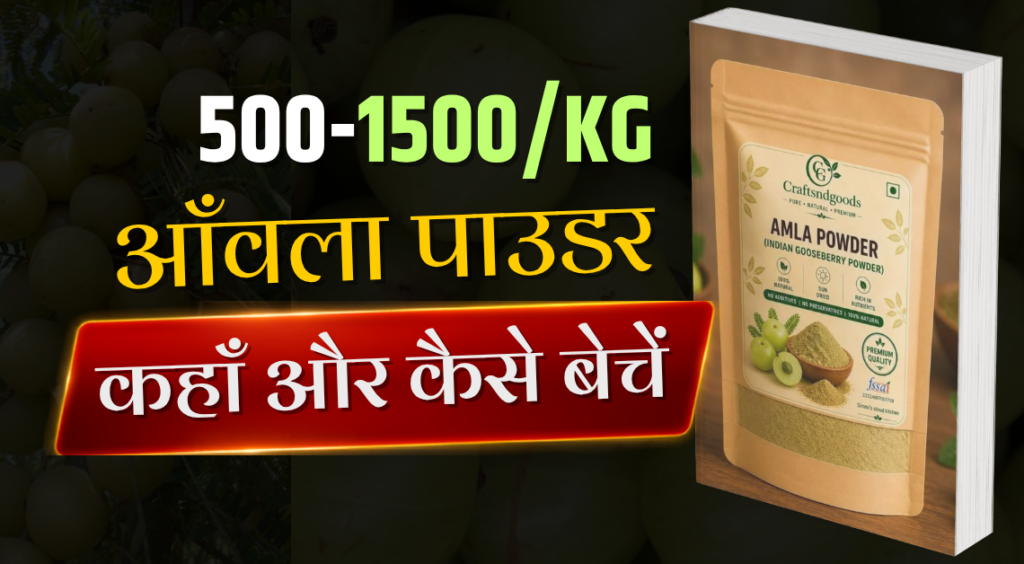
गाँव में रहने वाला छोटा किसान हो या शहर में छोटा entrepreneur, दोनों इस business को comparatively कम investment में शुरू कर सकते हैं। सबसे बड़ी बात यह है कि fresh आंवला जल्दी खराब होता है, लेकिन powder बनाकर उसी product की value कई गुना बढ़ जाती है।
NOTE : Amla Powder business ऐसा model है जिसमें एक साधारण फल को premium herbal product बनाकर बड़ा brand तैयार किया जा सकता है। सही quality, smart packaging और digital marketing के साथ यह business छोटे level से शुरू होकर nationwide brand बन सकता है।
Amla Powder business शुरू करने के लिए सबसे पहले यह तय करना जरूरी होता है कि आप small scale पर काम करेंगे, semi-automatic setup लगाएंगे या commercial level production करेंगे।
शुरुआत में छोटे स्तर पर 200–500 square feet की जगह लेकर भी काम शुरू किया जा सकता है। पहले market research करें कि आपके आसपास herbal products, ayurvedic stores, cosmetic manufacturers या online buyers की demand कैसी है।।
उसके बाद raw material sourcing, machine selection और packaging plan तैयार करें। शुरुआत में कम quantity से काम शुरू करना ज्यादा सुरक्षित रहता है क्योंकि इससे market समझने और product quality सुधारने का मौका मिलता है
Amla Powder business का सबसे मुख्य raw material fresh आंवला होता है। भारत में उत्तर प्रदेश, मध्य प्रदेश, राजस्थान, गुजरात, महाराष्ट्र और छत्तीसगढ़ में आंवला बड़े स्तर पर उगाया जाता है।
सस्ता माल लेने के लिए local fruit mandi, farmer producer organization (FPO), contract farming groups और सीधे किसानों से contact करना सबसे अच्छा तरीका होता है। सीजन के समय आंवला ₹10–₹25 प्रति किलो तक मिल जाता है, जबकि off-season में इसकी कीमत बढ़ जाती है।
कई छोटे manufacturers सीजन में bulk खरीदकर cold storage या drying के जरिए सालभर production करते हैं ताकि raw material cost कम रहे।
अगर आप small scale unit शुरू कर रहे हैं तो लगभग 300–800 square feet जगह काफी रहती है। इसमें raw material storage, drying area, grinding section, packaging section और finished goods storage अलग-अलग रखना जरूरी होता है।
Semi-automatic setup के लिए 1000–2000 square feet जगह बेहतर मानी जाती है। ऐसी जगह चुननी चाहिए जहाँ बिजली, पानी और transport आसानी से उपलब्ध हो।
Industrial area, गाँव के बाहर खाली commercial space या agriculture processing zone इस business के लिए अच्छे विकल्प होते हैं।
अगर unit mandi या farming area के पास हो तो raw material transportation cost भी कम हो जाती है।
Amla Powder business में सबसे जरूरी machine washing machine, slicer/cutter, dryer, pulverizer grinder और sealing machine होती है। Small scale setup में कई लोग शुरुआत manual cutting और semi-automatic grinder से भी करते हैं।
Tray dryer लगभग ₹40,000 से ₹2 लाख तक आता है, pulverizer machine ₹25,000 से ₹1.5 लाख तक मिलती है, sealing machine ₹3,000–₹20,000 तक आती है। Stainless steel machines लेना ज्यादा बेहतर रहता है क्योंकि food safety standards maintain रहते हैं।
ये machines Delhi, Ahmedabad, Rajkot, Coimbatore, Indore और online B2B platforms जैसे IndiaMART पर आसानी से मिल जाती हैं। Commercial setup में automatic pulverizing और packaging machine लगाने से production speed काफी बढ़ जाती है

सबसे पहले fresh आंवला को अच्छे से wash किया जाता है ताकि धूल और गंदगी हट जाए। इसके बाद cutting करके seed निकाले जाते हैं। फिर pieces को tray dryer या sunlight drying के जरिए पूरी तरह सुखाया जाता है।
Proper drying सबसे important step होता है क्योंकि moisture बचने पर powder जल्दी खराब हो सकता है। Dry होने के बाद material को pulverizer machine में पीसा जाता है और fine mesh sieve से filter किया जाता है। इसके बाद powder packaging के लिए भेजा जाता है।
सामान्यतः 100 किलो fresh आंवला से लगभग 10–15 किलो powder बनता है। Small setup में daily 20–50 किलो powder production आसानी से किया जा सकता है। पूरा process drying method के अनुसार 1–3 दिन तक ले सकता है।
Amla Powder की demand कई industries में होती है। Ayurvedic medicine companies, herbal cosmetic brands, hair oil manufacturers, health supplement companies और wellness stores bulk quantity में powder खरीदते हैं।
Retail level पर gym users, health-conscious लोग, women beauty products users और immunity products लेने वाले customers target audience होते हैं। Amazon, Flipkart, Meesho और own website के जरिए direct online selling भी तेजी से बढ़ रही है।
Local medical stores, organic shops, kirana stores और beauty shops में भी product supply किया जा सकता है। अगर product की quality अच्छी हो तो repeat orders जल्दी मिलने लगते हैं।
आज के समय में सिर्फ अच्छा product बनाना काफी नहीं होता, उसकी packaging और branding भी उतनी ही जरूरी होती है। Amla Powder को moisture-proof stand-up pouch, zip lock pouch या plastic jar में pack करना बेहतर रहता है।
Packaging attractive और clean दिखनी चाहिए ताकि customer को premium feel मिले। Label पर brand name, manufacturing date, expiry date, FSSAI number, ingredients, weight और usage instructions clearly लिखना जरूरी होता है।
Herbal और natural look वाली branding customers को ज्यादा attract करती है। Green color theme, ayurvedic identity और “chemical-free” positioning market में जल्दी trust बनाती है
अगर कोई व्यक्ति small scale पर यह business शुरू करता है तो लगभग ₹1.5 लाख से ₹5 लाख तक का investment आ सकता है। इसमें machine cost, raw material, packaging, electricity, rent और labor शामिल होते हैं।
Semi-commercial setup के लिए ₹5–₹15 लाख तक की जरूरत पड़ सकती है। शुरुआत में ज्यादा खर्च branding और packaging पर नहीं करना चाहिए बल्कि product quality और market testing पर focus करना बेहतर रहता है
Amla Powder business में profit margin काफी अच्छा माना जाता है क्योंकि raw material सस्ता मिलता है और processed product premium price पर बिकता है।
सामान्यतः 1 किलो powder की total production cost ₹180–₹350 तक पड़ सकती है, जबकि wholesale price ₹400–₹700 और retail price ₹800–₹1500 प्रति किलो तक जा सकती है।
अगर daily 30–40 किलो powder production और regular sales बनी रहती हैं तो small unit भी महीने का ₹50,000 से ₹2 लाख तक profit निकाल सकती है। Private labeling और online branding से margin और ज्यादा बढ़ सकता है।
इस business का सबसे बड़ा risk खराब quality और moisture control होता है। अगर drying सही तरीके से न हो तो powder में fungus या bad smell आ सकती है।
दूसरा risk market competition है क्योंकि herbal market में low-quality products बहुत ज्यादा हैं।
इन risks को manage करने के लिए proper drying system, airtight packaging और regular quality testing जरूरी होती है।
Raw material price fluctuation भी एक challenge होता है, इसलिए कई manufacturers season में bulk buying करके cost control करते हैं।
शुरुआत में limited production करके market response समझना ज्यादा सुरक्षित strategy होती है
Food category में आने के कारण FSSAI License सबसे जरूरी होता है। Small business के लिए basic FSSAI registration कुछ हजार रुपये में हो जाता है।
अगर production बड़ा हो तो state या central license की जरूरत पड़ सकती है। इसके अलावा GST registration, Udyam Registration और brand trademark करवाना भी useful रहता है।
अगर आप export करना चाहते हैं तो IEC Code भी जरूरी होगा। Total legal setup और registration cost सामान्यतः ₹5,000–₹50,000 तक जा सकती है, depending on business size।



भारत सरकार और कई banks food processing businesses को support करते हैं।
Mudra Loan scheme के तहत small entrepreneurs ₹50,000 से ₹10 लाख तक loan ले सकते हैं।
PMEGP scheme के जरिए subsidy benefit भी मिल सकता है।
NABARD और food processing related schemes के तहत rural entrepreneurs को support मिलता है। रूरी होता है।
Loan लेने के लिए project report, Aadhaar, PAN, business plan और quotation documents तैयार रखना जरूरी होता है।
अगर business registered हो और proper planning दिखाई जाए तो loan approval आसान हो जाता है।
Food Processing Industry को बढ़ावा देने के लिए सरकार कई schemes चलाती है।
प्रधानमंत्री Formalization of Micro Food Processing Enterprises (PMFME) scheme के तहत processing units को subsidy support दिया जाता है।
कई राज्यों में food processing setup पर machine subsidy और electricity subsidy भी मिलती है।
कृषि आधारित processing units को MSME schemes का benefit भी मिलता है।
District Industries Centre (DIC) और MSME office से local subsidy information आसानी से ली जा सकती है।
शुरुआत में सिर्फ Amla Powder बेचने की बजाय धीरे-धीरे पूरा herbal product range बनाना ज्यादा फायदेमंद होता है।
एक बार machine setup लग जाने के बाद Neem Powder, Moringa Powder, Beetroot Powder, Ginger Powder और Tulsi Powder जैसे products भी आसानी से बनाए जा सकते हैं।
खुद का brand बनाकर online selling शुरू करने से business तेजी से grow होता है। Bulk B2B supply और retail brand दोनों साथ में चलाने से stable income बनती है।
Export market में भी Indian herbal powders की demand लगातार बढ़ रही है।
2026 में digital marketing किसी भी small business को तेजी से grow कर सकती है।
Instagram Reels, Facebook page, YouTube Shorts और WhatsApp Business के जरिए product awareness बढ़ाई जा सकती है।
“Natural”, “Herbal”, “Chemical-Free” और “Ayurvedic” positioning customers को जल्दी attract करती है।
छोटे influencers, ayurvedic doctors और beauty creators के साथ collaboration करने से trust तेजी से बनता है।
Amazon ads और Google listing से online sales बढ़ाई जा सकती हैं।
Local level पर free sample strategy और shop-to-shop marketing शुरुआत में काफी effective रहती है।